
Army Weight Requirements for Recruits: What's True in 2026
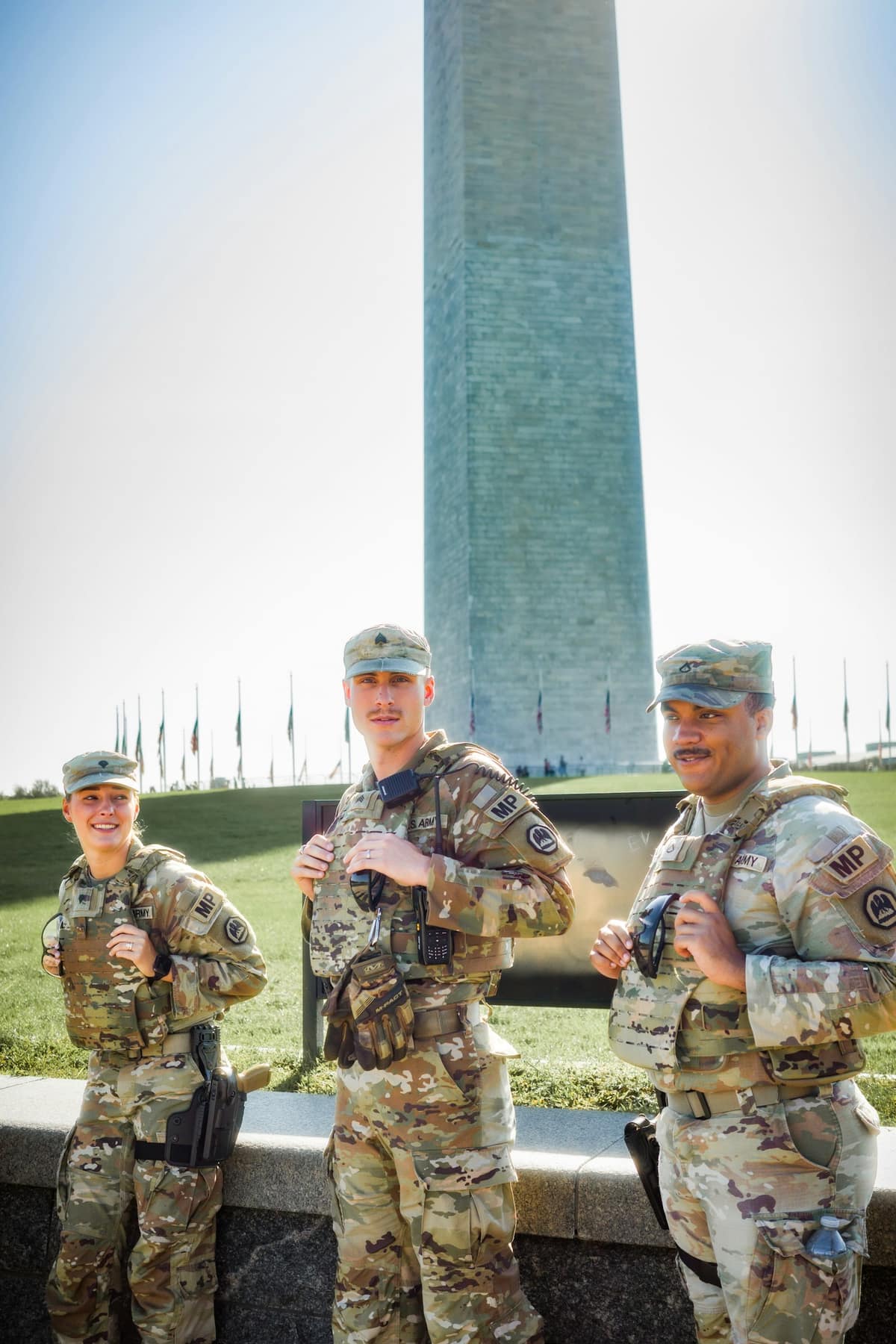
Photo via Unsplash.
Two different weight standards apply to someone joining the Army, and they're easy to mix up. MEPS (Military Entrance Processing Station) screens applicants against a height and weight table before they ever ship to basic training. Once you're a Soldier, a completely different standard, waist-to-height ratio (WHtR), governs your body composition for the rest of your career. This guide covers both, in order, so you know which one applies to you right now.
The Accession Standard: What MEPS Actually Checks
Enlistment medical standards come from Department of Defense Instruction (DoDI) 6130.03, not from AR 600-9. This is the standard MEPS staff apply to every applicant, and it hasn't switched to WHtR: it still uses a height and weight table as the first screening step.
At MEPS, your height and weight are measured, then compared against a maximum allowable weight for your height and age group. If you're at or under that number, you pass this step outright. If you're over it, you aren't automatically disqualified: you move to a body-fat measurement using circumference tape, and if your body fat percentage falls within the standard for your age and sex, you can still qualify medically.
A representative example: a male applicant aged 17-20 standing 70 inches tall has a maximum enlistment weight of 180 lbs under this table. A female applicant in the same age bracket at 65 inches has a maximum of 150 lbs. These numbers scale by height and shift slightly by age group, similar in structure to the Army's old in-service screening table, but they are administered separately, by MEPS medical staff, under a different regulation.
There's also a minimum. Being significantly underweight for your height can also raise a medical qualification issue at MEPS, though this is checked far less often in practice than the maximum.
The In-Service Standard: WHtR After You Ship
Once you complete basic training and become a Soldier, the accession standard no longer applies to you. From that point forward, Army Directive 2026-13 governs your body composition, and it uses a single measurement: waist-to-height ratio.
WHtR is your waist circumference (measured at the navel) divided by your height, both in inches. A result below 0.550 meets the standard, with no adjustment for age or sex. There's no separate weight table to consult and no body fat percentage calculation: it's one ratio, one threshold, for every Soldier.
Check your own number with the Army WHtR Calculator. If you want the full policy detail, including what happens after a failing measurement and how the Army Body Composition Program enrollment process works, that's covered separately.
How the Two Standards Compare
| MEPS Accession Standard | In-Service Standard | |
|---|---|---|
| Governing rule | DoDI 6130.03 | AR 600-9 (WHtR, per AD 2026-13) |
| Who it applies to | Applicants, before enlistment | Soldiers, after basic training |
| What's measured | Height, weight, then body fat % if over | Waist ÷ height (WHtR) |
| Age/sex adjustment | Yes, by age group and sex | No, single threshold for everyone |
| What happens if you fail | Not automatically disqualified; retest or waiver process | Confirmation retest, then ABCP enrollment if confirmed |
What Happens If You're Over the Limit at MEPS
Exceeding the initial weight table at MEPS doesn't end your enlistment on the spot. The body-fat tape measurement is a real second chance built into the process, and plenty of applicants who are over the table but carry visible muscle mass pass this step without issue. If you don't pass the body-fat measurement either, your recruiter can advise you on next steps, which may include a waiting period to lose weight and retest.
How the WHtR Standard Compares Across Branches
The Army isn't the only branch using a waist-to-height style standard. The Department of the Air Force adopted a 0.550 threshold for Airmen and Guardians, measured at a different landmark (the midpoint between the last rib and the hip bone, not the navel): see the Air Force WHtR Calculator for that standard specifically. The Marine Corps set a stricter 0.520 cutoff, measured at the navel like the Army: see the Marine Corps WHtR Calculator. If you're weighing options across branches, these are the numbers that matter once you're in, not at accession.
Score High Enough on the AFT and Skip the Tape Test? Not Anymore
Under an earlier directive, a high enough Army Fitness Test (AFT) score could exempt a Soldier from body composition screening. That's no longer true. AD 2026-13 rescinded that exemption: AFT performance and WHtR are now evaluated completely independently, and a top AFT score doesn't change your WHtR requirement. If you want to check your current AFT standing anyway, the AFT Calculator covers all five events.
Beyond the Scale: Other Requirements to Join the Army
Height and weight are one part of a longer eligibility checklist, covered in the FAQ below.
The Bottom Line
If you're preparing to enlist, the number that matters right now is the MEPS height and weight table under DoDI 6130.03, and going over it isn't the end of the process. Once you're a Soldier, the number that matters is your WHtR under AR 600-9, and that's the one this site's calculator checks. Know which stage you're at, and you'll know which standard actually applies to you.
Sources
Recommended Standards Reads
Quick internal links to the most relevant pages for AR 600-9, tape test rules, and ACFT exemptions.
- Open Army Height and Weight CalculatorCheck screening weight and estimate body fat percentage (AR 600-9).
- Old Height and Weight Calculator (Archive)Rescinded July 2026, kept for historical reference only.
- Browse All Blog ArticlesGuides on AR 600-9, tape test rules, and ACFT exemptions.
- Body fat standards chart and limits
- Army body fat calculator guide
Related Standards Articles
AR 600-9 Tape Test Rounding Rules: How to Measure Correctly
Learn how AR 600-9 tape test measurements are taken, how rounding works in real units, and how to avoid common mistakes before height and weight.
The AR 600-9 One-Site Tape Test (Rescinded July 2026)
The one-site tape test was rescinded July 7, 2026 and replaced by waist-to-height ratio. This guide explains how the old method worked and what replaced it.
Check Your Standards Now
Use the Army Height and Weight Calculator (AR 600-9) to check screening weight and estimate body fat percentage.