Army National Guard Body Fat Calculator Standards
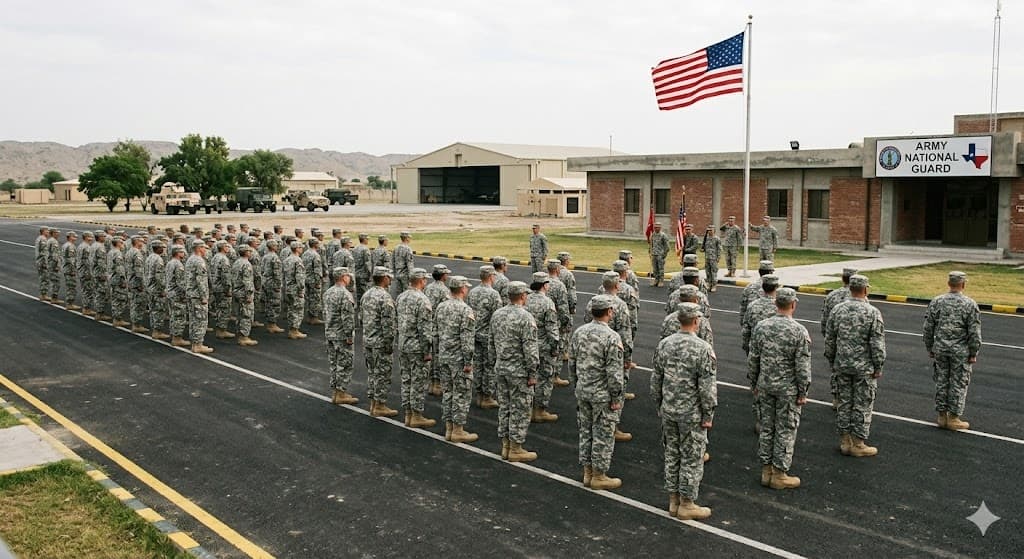
For the "Citizen-Soldier," balancing a civilian career, family life, and military service is a constant juggling act. One of the most significant challenges for M-Day (Man-Day) Soldiers is maintaining the strict physical readiness standards of the U.S. Army without the benefit of daily organized Physical Training (PT). However, the Army's "Total Force" policy is clear: the Army National Guard body fat standards are identical to those of the Active Component.
If you are a Guard or Reserve Soldier, your career depends on staying "Always Ready." Using an Army National Guard body fat calculator between drill weekends is the only way to ensure that a surprise weigh-in doesn't result in a career-stalling "Flag." This guide explores the administrative nuances for part-time Soldiers and provides a blueprint for maintaining standards in a civilian environment.
One Standard, One Army: Understanding AR 600-9
The first thing every National Guard and Army Reserve Soldier must understand is that there is no "Reserve Component" version of the body composition regulation. All Soldiers, regardless of their status, are governed by AR 600-9 (The Army Body Composition Program).
The Regulatory Goal
The primary objective of the ABCP is to ensure all Soldiers possess the physical readiness to perform their duties in any environment. For Guard Soldiers, this means you must be just as capable of meeting the Army body fat percentage standards as your Active Duty counterparts. Whether you are on Title 10 orders, Title 32 orders, or just performing your monthly IDT (Inactive Duty Training), the standards remain a constant requirement.
The Administrative Edge: The 14-Month Exemption
While the physical standards are the same, the Army does allow for administrative flexibility regarding how often Guard and Reserve Soldiers must re-validate their fitness status. This is particularly relevant for the Performance-Based Body Fat Exemption.
The ACFT 465 Rule in the Guard
Under updated standards, any Soldier who scores a 465 or higher on the record ACFT (with at least 80 points in each event on standard events) is exempt from the tape test. For Active Duty Soldiers, this exemption typically needs re-validation every 8 months. However, for Army National Guard and Army Reserve Soldiers, the exemption is valid for up to 14 months.
This 14-month window acknowledges the logistical challenges of scheduling record fitness tests during limited drill time. If you are a high-performing "Combat Athlete" in the Guard, hitting that 465 mark is your best defense against the stress of the tape measure. For more details on the scoring, check out our ACFT Exemption Guide.
The Challenge of the "Other 28 Days"
For Active Duty Soldiers, the military provides a structured environment: mandatory morning PT, access to DFACs with "Go for Green" nutritional labeling, and a peer group focused on fitness. M-Day Soldiers must create this environment for themselves during the "other 28 days" of the month.
1. The Home "Self-Drill"
Consistency is the enemy of the Army National Guard body fat calculator failure. We recommend that every Guard Soldier sets a "Self-Drill" on the first Saturday of every month. On this day:
- Weigh yourself in the morning.
- Perform a self-tape at the navel.
- Input the data into an Online Army Weight Calculator to see your current percentage. If you catch a 1% increase in your body fat during your self-drill, you have 30 days to correct it before you see your unit's Training NCO.
2. Nutritional Discipline in a Civilian World
Civilian office cultures often revolve around sedentary work and processed snacks. For a Guard Soldier, this is a minefield. Many successful M-Day Soldiers find that meal prepping for their civilian work week is the key to passing height and weight. By controlling 80% of your nutrition Monday through Friday, you build a "buffer" that helps you stay within standards even during busy family weekends.
What Happens if You Fail Height and Weight at Drill?
The consequences of failing a height and weight screening in the National Guard can be just as severe as on Active Duty, but they often impact your civilian life differently.
The Impact of a Flag on Your Civilian Career
If you fail the National Guard height and weight standards, you will be flagged (DA Form 268). This flag prevents you from receiving federal recognition for a promotion and attending military schooling.
National Guard & Reserve Readiness Resources:

Recommended National Guard Reads
Quick internal links to the most relevant pages for AR 600-9, tape test rules, and ACFT exemptions.
- Open Army Height and Weight CalculatorCheck screening weight and estimate body fat percentage (AR 600-9).
- ABCP CalculatorComplete Army Body Composition Program calculator under AR 600-9 standards.
- Browse All Blog ArticlesGuides on AR 600-9, tape test rules, and ACFT exemptions.
- Body fat standards by age and gender
Related National Guard Articles
AR 600-9 Tape Test Rounding Rules: How to Measure Correctly
Learn how AR 600-9 tape test measurements are taken, how rounding works in real units, and how to avoid common mistakes before height and weight.
The New Army One-Site Tape Test Guide
The Army recently updated its body fat assessment method. Learn how the one-site tape test works and how it affects you.
Check Your Standards Now
Use the Army Height and Weight Calculator (AR 600-9) to check screening weight and estimate body fat percentage.