The Psychology of the Tape Test: Managing Stress and Anxiety
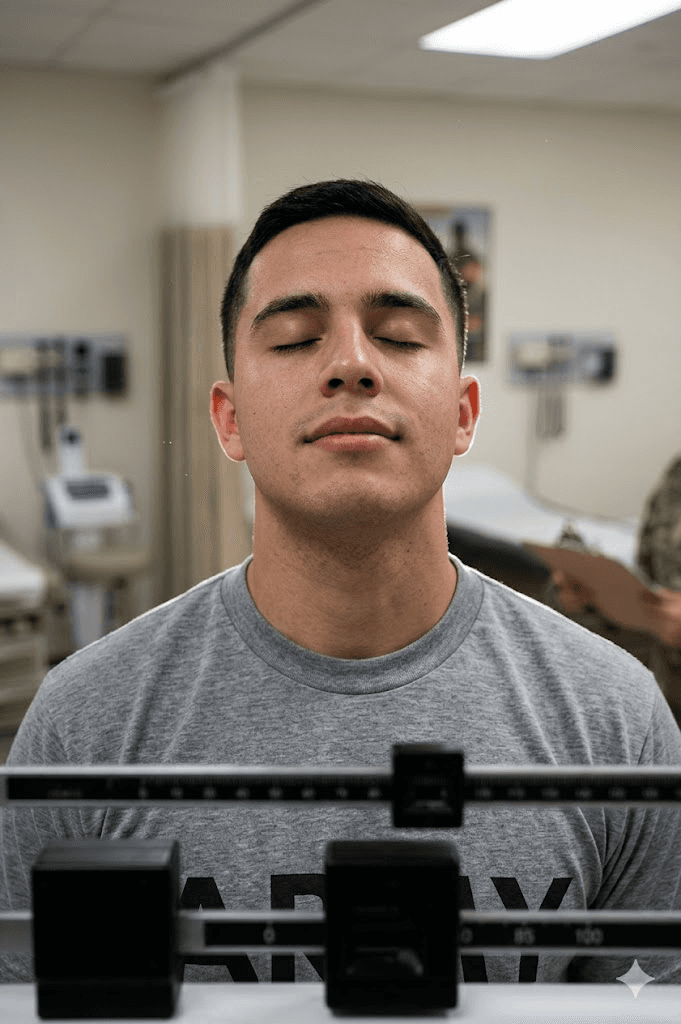
For many Soldiers, the biannual height and weight screening is more mentally taxing than a 12-mile ruck march or a range qualification. This specific form of stress, often referred to in motor pools as "Tape Anxiety," can have a profound impact on morale, unit cohesion, and individual mental health. Under the regulations of AR 600-9, the tape measure represents more than just a physical metric; it is a gatekeeper for a Soldier's entire career.
Understanding the psychological component of body composition standards is essential for both the individual Soldier and the leaders who oversee the program. By using tools like an Army weight calculator for regular self-monitoring and practicing professional coping strategies, Soldiers can navigate the ABCP screening with their resilience intact.
The Source of Tape Anxiety: High-Stakes Testing
The primary driver of stress during a height and weight screening is the severity of the consequences. In the Army, being "flagged" for body composition (DA Form 268) is a comprehensive bar to professional growth. A flagged Soldier cannot:
- Attend military schools (NCOES/OES).
- Be promoted to the next rank.
- Receive awards or commendations.
- Re-enlist or extend their contract.
This "all-or-nothing" nature of the screening creates a high-pressure environment where even the most dedicated Soldiers can feel a sense of dread as the weigh-in approaches. This pressure is compounded when the results feel outside of the Soldier's control, such as a "thick-necked" individual who might fail the old Army body fat calculator neck and waist method despite having a low overall body fat percentage.
The Psychological Impact on Body Image
Military life inherently ties a Soldier's identity to their physical capability. When the Army's metric for "health" (the tape measure) contradicts the Soldier's perception of their own fitness (their ACFT score or performance in the field), it can lead to significant psychological friction.
The Combat Athlete Paradox
Many modern Soldiers identify as "Combat Athletes." They train for power, explosive speed, and durability. However, training for these traits often results in increased muscle mass, which translates to a higher number on the scale. When the AR 600-9 screening table labels a high-performing athlete as "overweight," it can lead to a sense of frustration and a distorted relationship with body image.
The Role of the Leader in Reducing Stress
NCOs and Officers have a regulatory and moral obligation to conduct height and weight screenings with the utmost professionalism. The manner in which a screening is conducted can either exacerbate or alleviate "Tape Anxiety."
Professionalism and Privacy
Per the latest Army Directive 2023-11, screenings must be conducted in a clinical, professional setting. Publicly shaming Soldiers or making derogatory comments about their composition is not only a violation of leadership principles but a direct hit to the unit's mission readiness. When leaders emphasize that the screening is a medical/readiness requirement rather than a personal judgment, the psychological burden on the Soldier is reduced.
Coping Strategies: Taking Back Control
The best way to combat anxiety is through the removal of uncertainty. Anxiety thrives in the gap between "what is" and "what might be."
1. Frequent Self-Monitoring
Don't wait for "Height and Weight Day" to find out your status. Use an Online Army Weight Calculator at home or in the gym at least every two weeks. When you already know your numbers, the official screening becomes a mere formality rather than a terrifying revelation.
2. Focus on Controllables
You cannot control the regulation, but you can control your training and nutrition. Shifting focus toward improving your ACFT score to hit the 465 exemption threshold is a proactive way to manage stress. Instead of worrying about the tape, worry about your performance on the 2-mile run—a metric that you can actively improve through effort and discipline.
3. Reframe the Event
Instead of viewing the tape test as a threat, try to reframe it as a check-up. Much like a periodic health assessment (PHA), it is a tool used by the Army to ensure its force is capable of enduring the physical demands of combat. By clinicalizing the event in your mind, you can reduce the emotional weight it carries.

Summary: Resilience Through Preparation
Mental readiness is just as important as physical readiness. By understanding the psychology of the tape test, maintaining professional standards as a leader, and staying proactive with an Army weight calculator, you can ensure that the "Height and Weight" screening is just another day in the life of a ready and resilient Soldier.
Professional & Mental Health Resources:

Recommended Wellness Reads
Quick internal links to the most relevant pages for AR 600-9, tape test rules, and ACFT exemptions.
Related Wellness Articles
AR 600-9 Tape Test Rounding Rules: How to Measure Correctly
Learn how AR 600-9 tape test measurements are taken, how rounding works in real units, and how to avoid common mistakes before height and weight.
The New Army One-Site Tape Test Guide
The Army recently updated its body fat assessment method. Learn how the one-site tape test works and how it affects you.
Check Your Standards Now
Use the Army Height and Weight Calculator (AR 600-9) to check screening weight and estimate body fat percentage.