Army Tape Test Calculator: Waist Mistakes That Matter
If you are using an Army tape test calculator, one small mistake can change your result more than most people expect. Soldiers and recruits often assume the calculator itself is the issue, but the bigger problem is usually the tape measurement going in.
This guide explains the waist measurement mistakes that create bad results, why those mistakes matter under AR 600-9, and how to self-check more accurately before an official assessment.
Why waist measurement matters so much
The calculator only works as well as the number you enter. If your waist measurement is wrong, your result will also be wrong.
That matters because many people use an Army tape test calculator for one of three reasons:
- they are over screening weight and want to know their risk
- they are trying to prepare for an official weigh-in
- they are close to the limit and want clarity before it is too late
If that sounds familiar, start with the full process here:
The most common mistake: measuring at the wrong spot
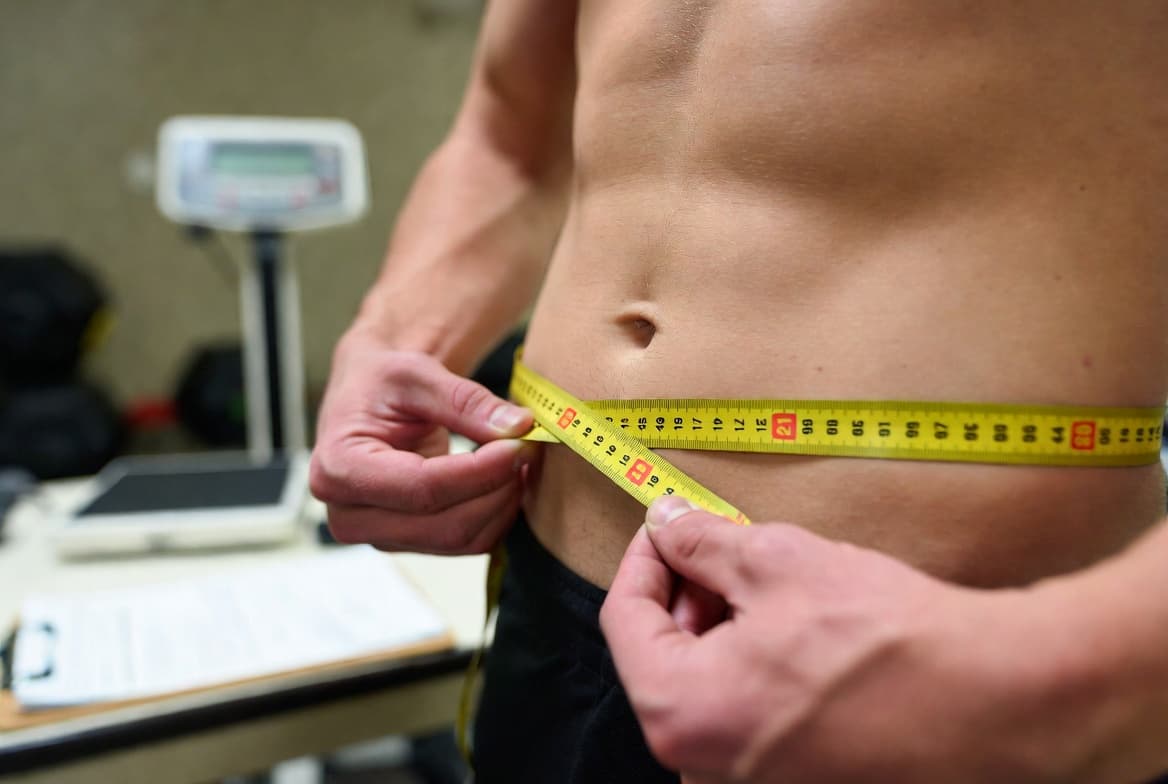
Under current one-site tape test guidance, the waist measurement is taken at the navel. This is one of the most misunderstood parts of the process.
Why people get it wrong
Many people measure:
- above the navel where the waist looks smaller
- below the navel where the tape sits differently
- at the narrowest part of the torso instead of the required site
All of those mistakes can change the final number.
For the regulation-level overview, read:
Mistake #2: pulling the tape too tight
Some people assume tighter is better. It is not.
If the tape compresses the abdomen too much, you get a number that looks better than reality but does not reflect proper technique. That creates false confidence when you use an Army body fat calculator or Army tape test calculator at home.
What to do instead
The tape should be snug, level, and secure without digging in.
Mistake #3: leaving the tape too loose
The opposite problem also happens. A loose tape leaves small gaps and produces a larger number than necessary.
This mistake is common when people rush the process or measure without checking the tape all the way around the body.
Mistake #4: measuring at different times with different conditions
If you measure:
- in the morning one day
- after a large meal the next day
- after high sodium intake on another day
your numbers can swing more than you expect.
The better approach
Track under consistent conditions:
- same time of day
- similar hydration habits
- similar clothing or no bulky clothing
- same tape placement every time
Mistake #5: bad posture
Posture affects measurement. Slouching changes abdominal position. Overcorrecting and trying to “pose” also makes your self-check less realistic.
The goal is simple:
- stand upright
- stay relaxed
- keep the tape horizontal
- do not suck in your stomach
Mistake #6: relying on one single number
One measurement is not always enough for good tracking. If you are using an Army tape test calculator online free style tool at home, the smarter method is to take multiple careful readings and look for consistency.
That gives you a more stable number and helps you avoid overreacting to one random measurement.
Mistake #7: ignoring screening weight first
A tape calculator matters most after you understand screening weight.
Some users jump straight to body fat tools without checking whether they are even above the basic height-and-weight screen. But under the Army process, the screening table comes first.
If you want to understand that first gate, review:
- US Army Height and Weight Standards 2026
- Army Height and Weight Standards Calculator: What Triggers the Tape Test?
How to use an Army tape test calculator the right way
Step 1: Confirm your screening result
Use your current height and weight first.
Step 2: Measure the waist at the navel
This is the key number for the one-site method.
Step 3: Keep the tape level
Do not let it angle upward or downward around the torso.
Step 4: Stay relaxed
No forced stomach control, no twisting, no posture tricks.
Step 5: Compare with related standards pages
Use the result together with:
Why small mistakes create big stress
Most people do not worry about half an inch until they are close to the line. That is where emotional pressure rises fast. A Soldier or recruit may think:
- “I looked fine last month.”
- “I only feel a little over.”
- “Maybe the calculator is wrong.”
Usually, the issue is not the tool. It is inconsistent measurement technique.
That is why this page matters. If you fix the input, your output becomes more trustworthy.
A simple self-check routine before an official assessment
Use this weekly routine:
- weigh yourself once each week
- measure waist once each week at the navel
- log both numbers
- run them through the Army Height and Weight Calculator
- compare trends instead of chasing one perfect result
If your numbers are tight, these pages help next:
- AR 600-9 Tape Test Rounding Rules (2026)
- How to Calculate Army Body Fat Percentage: Step-by-Step Guide
Who should read this page most carefully
This guide is especially useful for:
- Soldiers who are close to screening limits
- recruits checking numbers before MEPS
- National Guard and Reserve members self-tracking between assessments
- anyone who has seen inconsistent tape-test calculator results at home
For the site background and technical review process, you can also visit:
Final takeaway
An Army tape test calculator is helpful only when your measurement technique is reliable. The biggest errors usually come from tape placement, tension, posture, and inconsistency, not from the calculator itself.
If you want a more dependable result:
- check screening weight first
- measure waist at the navel
- keep your routine consistent
- compare your numbers against the correct standards
Then continue here:
Sources and references

Recommended Tape Test Reads
Quick internal links to the most relevant pages for AR 600-9, tape test rules, and ACFT exemptions.
- Open Army Height and Weight CalculatorCheck screening weight and estimate body fat percentage (AR 600-9).
- ABCP CalculatorComplete Army Body Composition Program calculator under AR 600-9 standards.
- Browse All Blog ArticlesGuides on AR 600-9, tape test rules, and ACFT exemptions.
- One-site tape test explained
- Calculate body fat step-by-step
Related Tape Test Articles
AR 600-9 Tape Test Rounding Rules: How to Measure Correctly
Learn how AR 600-9 tape test measurements are taken, how rounding works in real units, and how to avoid common mistakes before height and weight.
The New Army One-Site Tape Test Guide
The Army recently updated its body fat assessment method. Learn how the one-site tape test works and how it affects you.
Check Your Standards Now
Use the Army Height and Weight Calculator (AR 600-9) to check screening weight and estimate body fat percentage.